
The Importance of Low Tox Living and Its Impact on Our Health
In my years of naturopathic study, I’ve found that true wellness is rarely about one single "magic" herb or habit. More often, it’s about what we remove rather than what we add.
Early in my own health journey, I became much more aware of the endocrine-disrupting chemicals hidden in my own home. It was only when I started looking at the products—the diffusers, personal care items, cleaners, and containers—that I realized how many of them contained synthetic fragrances and chemicals.
We live in an era where we are exposed to a higher concentration of synthetic chemicals than any generation before us. While our bodies are incredibly resilient and designed to detoxify, the amount of "daily disruptors" can lead to a heavy "body burden."
Endocrine-disrupting chemicals (EDCs) are natural or human-made substances that can mimic, block, or interfere with the body’s hormones. Because these hormones regulate almost every function in our systems, these chemicals are associated with a wide array of health issues.
Understanding why low-tox living matters and how it influences our health empowers us to make smarter decisions for our long-term vitality. This post explores the concept of low-tox living, its benefits, and practical steps to help you get started.
What Is Low Tox Living?
Low tox living means minimizing contact with toxic chemicals in daily life. These toxins can be found in cleaning supplies, personal care products, furniture, food packaging, and even the air we breathe. The goal is to choose safer alternatives and create an environment that supports health rather than harms it.
This lifestyle is not about perfection or eliminating all chemicals, which is impossible. Instead, it focuses on reducing unnecessary exposure to substances linked to health problems such as hormone disruption, allergies, respiratory issues, and even some cancers.
Why Reducing Toxins Matters for Health
Our bodies are designed to handle some level of toxins, but constant exposure to harmful chemicals can overwhelm natural defenses. Research shows that many common chemicals interfere with the endocrine system, immune function, and cellular health.
For example:
Hormonal Harmony & Reproductive Health:
Endocrine disruptors like phthalates, commonly found in plastics and synthetic fragrances, can significantly interfere with hormone balance. Similarly, parabens—used as preservatives in many cosmetics—can mimic estrogen in the body, potentially disrupting hormonal balance and contributing to reproductive issues. These disruptions often manifest as shifts in our natural cycles, mood, and overall vitality.
Metabolic Health & Energy:
The presence of BPA (Bisphenol A), found in canned food linings and plastic containers, is a well-known disruptor that can leach into food—especially when heated. BPA exposure is linked to metabolic imbalances, including increased risks for type 2 diabetes and cardiovascular disease.
The Gut-Skin Axis:
Many synthetic preservatives do more than just sit on the surface; they can disrupt the delicate microbiome of both our digestive tract and our skin. This "gut-skin axis" is vital for clear skin and robust immunity, but exposure to harsh chemicals in processed foods and cleaning products can promote allergies and irritations.
Respiratory & Structural Wellness:
It isn't just about what we put on our bodies, but what we breathe in. Formaldehyde, often found in building materials and furniture, is a known irritant linked to ongoing respiratory problems. Additionally, VOCs (Volatile Organic Compounds) in paints and varnishes can release toxic fumes that irritate the eyes, lungs, and skin.
These substances accumulate over time, increasing the risk of chronic diseases. Children, pregnant women, and people with existing health conditions are especially vulnerable.
Everyday Sources of Toxins to Watch
Many toxins hide in plain sight. Here are common sources to be aware of:
Household cleaners: Many contain harsh chemicals like ammonia and bleach.
Personal care products: Shampoos, lotions, and makeup often include synthetic fragrances and preservatives.
Plastics: Containers and packaging can leach chemicals like BPA and phthalates.
Air pollution: Indoor air can contain volatile organic compounds (VOCs) from paints, carpets, and cleaning agents.
Safer Alternatives to Look For
Plant-based surfactants (like those derived from coconut).
Essential oil-based scents instead of synthetic fragrances.
Knowing these sources helps us make informed choices about what to bring into our homes and bodies.
Practical Steps to Embrace Low Tox Living
Adopting a low tox lifestyle can feel overwhelming at first, but small changes add up. Here are practical tips to get started:
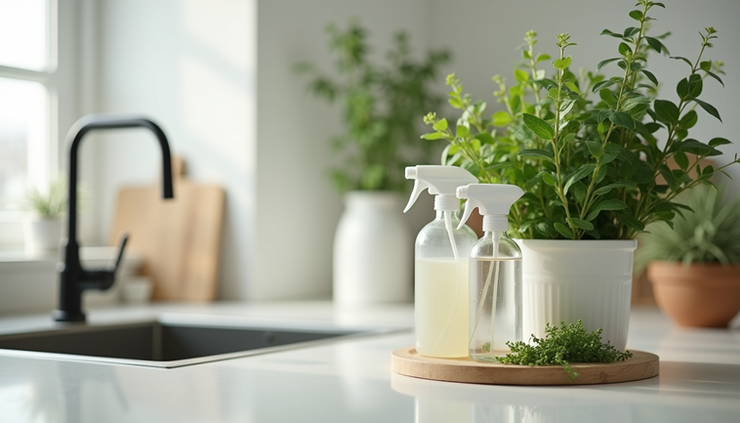
Switch to natural cleaning products: Choose natural, plant-based cleaner, or use vinegar, baking soda, and castile soap instead of chemical cleaners.
Read labels carefully: Choose personal care items free from parabens, phthalates, and synthetic fragrances. Opt for fragrance-free products or those scented only with high-quality essential oils.
Avoid plastic food containers: Opt for glass or stainless steel alternatives.
Ventilate your home: Open windows regularly to reduce indoor air pollution.
Choose organic and whole foods: Reduce pesticide exposure by selecting organic produce when possible, or wash properly by soaking them with vinegar in the water
Use air purifiers: Consider devices that filter out pollutants and allergens.
Clean and dust often: Reducing dust lowers exposure to toxins trapped in particles.
Each step reduces your overall toxin exposure and supports better health.
Summary
Embracing a low-tox lifestyle is a profound act of self-care. It’s about creating a space where your
body can finally stop "defending" and start thriving. By making these gentle shifts, you’re not just
cleaning your home—you’re clearing the path for your most vibrant health.
Reference
Fabozzi G, et al 2022, Endocrine-Disrupting Chemicals, Gut Microbiota, and Human (In)Fertility-It Is Time to Consider the Triad. Cells. 2022 Oct 22;11(21):3335. doi: 10.3390/cells11213335.
Gore, A. C., La Merrill, M. A., Patisaul, H. B., & Sargis, R. (2024). Endocrine Disrupting Chemicals: Threats to Human Health. The Endocrine Society and IPEN. https://www.endocrine.org/topics/edc/introduction-to-edcs
Isaac, Ruth Angeline Andrew et al. “Human endocrine disruption: an updated review of toxicological insights into parabens and phthalates.” Toxicology and Environmental Health Sciences 17 (2025): 335 - 348.
Kahn LG, Philippat C, Nakayama SF, Slama R, Trasande L. Endocrine-disrupting chemicals: implications for human health. Lancet Diabetes Endocrinol. 2020 Aug;8(8):703-718. doi: 10.1016/S2213-8587(20)30129-7.
Toft, G., & Liew, Z. (2022). Health Effects Associated with Exposures to Endocrine Disrupting Chemicals. Toxics, 10(8), 425. https://doi.org/10.3390/toxics10080425


Comments